Istanbul: The Beating Heart of Turkiye
As the meeting point between east and west, Istanbul is the most literal definition of a melting pot of cultures and is the veritable beating heart of Turkiye. Worlds collide in Istanbul—masterpieces of Byzantine and Ottoman architecture sit alongside the colorful clatter of the local markets and brush up against trendy cafés, resulting in an experience that is simply magical. You can never see it all—and that is exactly what will keep you coming back for more. No matter how many times you’ve been, there is always something new to discover as the city breathes and continues to live and evolve, just as it has done for centuries.
A Magical Frenzy

For millennia, Istanbul has been at the crossroads of civilizations, straddling the line between Europe and Asia as the final stop on the Silk Road. Serving as the capital of two empires, the Byzantine and then the Ottomans, the city has been witness to countless rulers, trends, and reinventions over the years but still retains its own timeless magic.
Despite the city’s connection to the past, Istanbul is continually modernizing, with its economy stabilizing and culture booming as the years roll by. As the capital of fashion, culture, and design, Istanbul is undeniably the best shopping destination in all of Turkiye. It is also a young city, the median age is 33.1, and each of its neighborhoods has its own distinct identity and vibe, inhabited by vibrant and inclusive locals.
While the European side is filled with unmissable architectural triumphs like the Blue Mosque, the Hagia Sophia, the Obelisk of Theodosius, the Grand Bazaar, Topkapi Palace, and Dolmabahçe palace, the Anatolian side offers fragrant dishes, world-class antique shopping, and a look at modern Turkish culture. Head to the Kadikoy District where trendy coffee shops and compelling street murals combine form an artistic hub.
Highlights of Istanbul

Discover Byzantine Highlights
Originating as a Greek city called Byzantium, today’s Istanbul initially rose to power as Constantinople, an Eastern Roman imperial capital whose greatness spanned for a millennium until the Ottoman invasion in 1453. The Byzantine Empire’s rich cultural and architectural heritage can still be observed in gorgeous landmarks throughout the city. Some of Istanbul's incredible architectural landmarks are remnants of its Byzantine past.
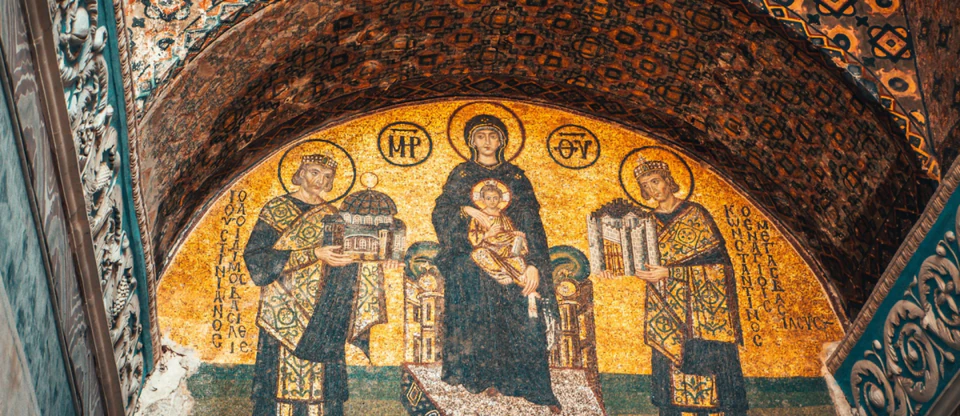
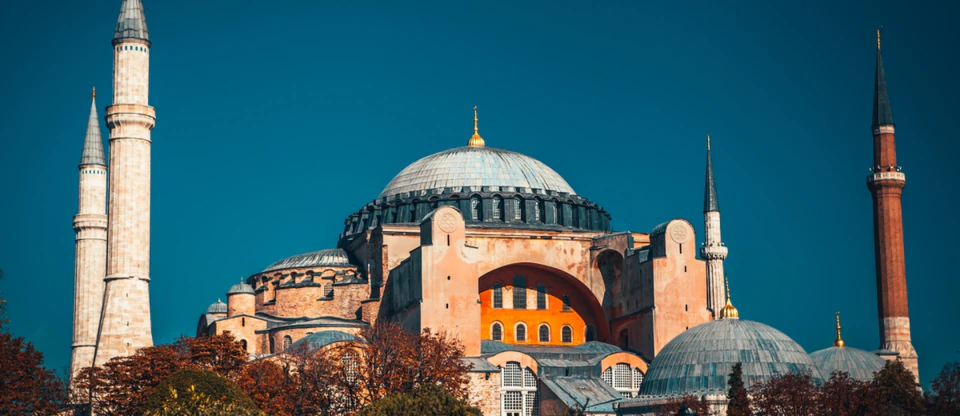
We’ll take you to sites like the St. Sophia a world-famous 6th-century massive monolith and functioning mosque, whose illuminated minarets are an iconic part of Istanbul's night skyline.The Basilica Cistern, resembling a flooded palace, is a subterranean marvel and the largest of several hundred cisterns that lie beneath the city. Formerly a medieval Greek Orthodox church, the Chora mosque is primarily famous for its outstanding late Byzantine mosaics and frescoes and is a fine example of Byzantine architecture. In the 16th century, during the Ottoman era, the church was converted into a mosque.

Uncover the Ottoman Empire
The Ottomans are without a doubt one of the most famous empires throughout history. Ruling nearly half the world at the height of their occupation, their traditions, religion, and beliefs spread across their kingdom. What is today known as the city of Istanbul was once their capital, Constantinople, the perfect place to dive into Ottoman history, from the Sultans and their entourages to the historical timeline of the empire’s rule. What remains today are the Ottoman landmarks that cover the city, architectural wonders that include palaces, mosques, castles, and much more.
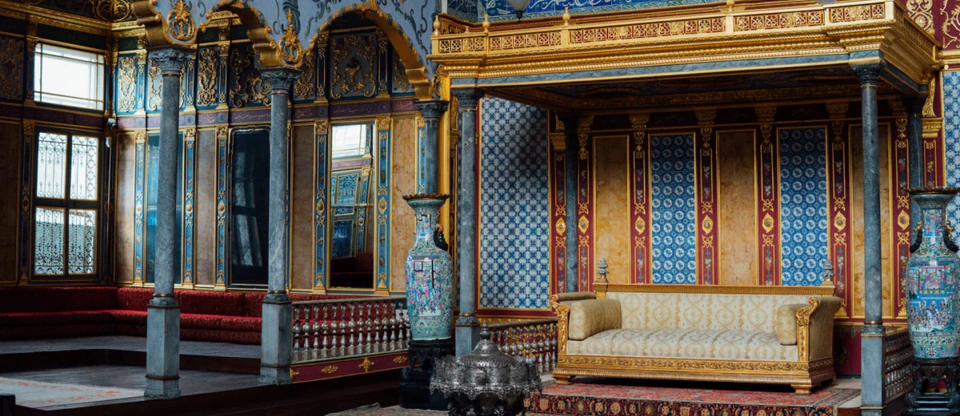
We’ll take you to see sights like Topkapi Palace, the Ottoman sultan’s residence and the most visited museum in Turkiye where you’ll view the Ottoman Empire treasury, Dynasty clothing, and sacred relics. Blending several different architectural styles, Topkapi Palace is a sight to behold. Another must-see Ottoman jewel is Dolmabahce Palace. Positively dripping with gold and crystal, it is one of the most glamorous palaces in the world. Built in the 19th century, the opulent palace was Istanbul’s first European-style palace and housed the last of the Ottoman sultans. We’ll also view one of the masterpieces of Ottoman architecture and the second-largest mosque in the city, the Suleymaniye Mosque. The imposing mosque mixes Islamic and Byzantine architecture and is one of the most important Ottoman structures.

Cruise Between Europe and Asia
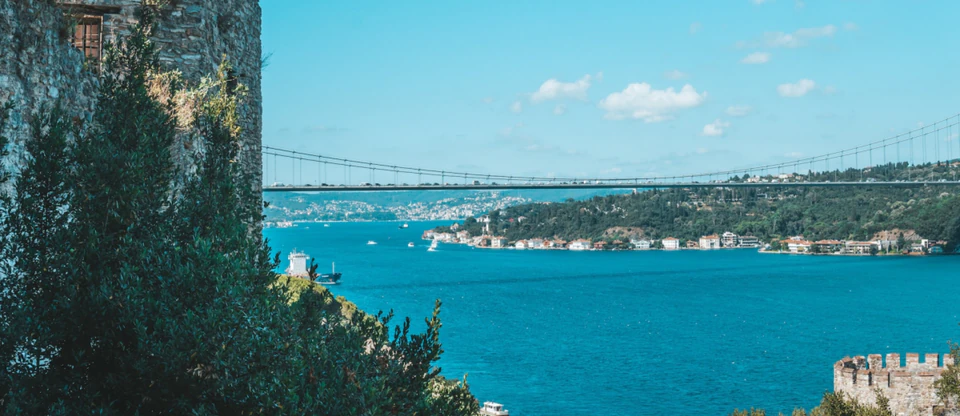
Embark to your private deluxe yacht from Kurucesme Pier for a pleasant two hour ride on the Bosphorus Strait against the majestic skyline of Istanbul and pass by the splendid Ottoman mansions, Judas blossoms, palaces, and forts. Monuments of colossal cultural value are immersed in this beautiful landscape that results in Istanbul’s stunning ornate silhouette.
In the words of Pierre Loti, “...there, God, nature, and man came together to create the most magnificent thing that the human eye can contemplate on earth.” Created by a cataclysmic flood some 7700 years ago, the Strait connects the Black Sea with the Mediterranean and is one of the busiest waterways in the world. The duality between Europe and Asia created by the Strait characterizes the city's identity and expresses itself in countless planes and moments. As you pass beneath three intercontinental bridges, you’ll feel the weight of Istanbul’s long history—even as you experience modern Istanbul.
Embark on Biblical Tours of Istanbul
Istanbul has a history of Christianity dating back to 312 AD and is filled with many important landmarks associated with Christianity. Ancient Constantinople was once an important religious center where the largest church in Christendom at the time, the Hagia Sophia (the Church of the Divine Wisdom) was dedicated by Emperor Justinian in 536 AD. Because the Ottoman Empire was tolerant of different faiths, Istanbul retained a large Christian population due to its Byzantine heritage.
A true feast for the eyes, the world-famous Hagia Sophia cathedral served as a Greek Orthodox church from 360 AD until the conquest of Constantinople by the Ottoman Empire in 1453. Notable Christian sites are the Greek Orthodox Patriarchate of Constantinople, also known as St. George Cathedral, that was one of the fourteen autocephalous churches within the communion of Orthodox Christianity and acts as the spiritual center of the Greek Orthodox community. Formerly a medieval Greek Orthodox church until the 16th century, the Chora mosque is primarily famous for its outstanding late Byzantine mosaics and frescoes.

Istanbul’s Grand Bazaar and Iconic Rooftop
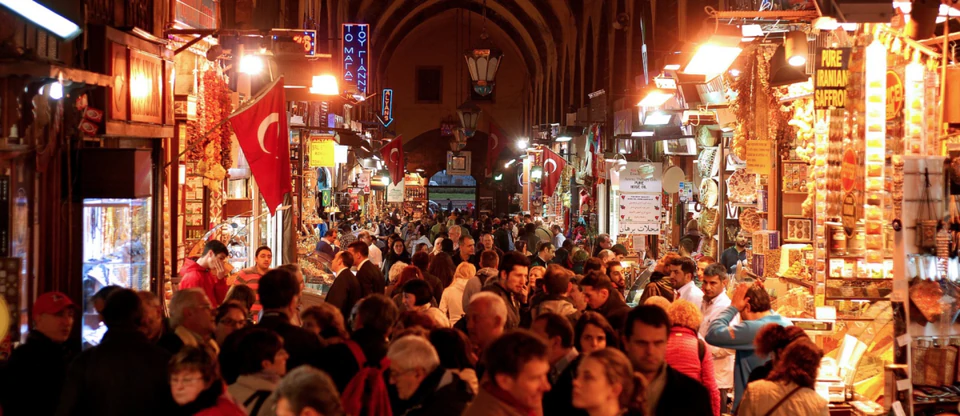
Spanning 30,700 square meters, Istanbul's Grand Bazaar (Kapalıçarşı in Turkish) is one of the world's most incredible shopping destinations and one of the largest covered markets in the world. Inside, the 64 streets and smaller lanes are home to around 4,000 shops, as well as the bazaar's own mosque, post office, restaurants, banks, and police station, making it a central city in miniature. We’ll help you explore the hidden corners of this incredible market as your private guide helps you navigate every inch of the market.
Beginning in 1461, Istanbul’s bazaar steadily expanded, swallowing up surrounding ground over the centuries of Ottoman rule. Its grand arcaded main streets and narrow alleys lead between Hans (old trader inns) and Bedestens (market halls). A visit here is not simply about shopping for souvenirs—it is one of the best places to experience and get a sense of Ottoman daily life. The Grand Bazaar's rooftop has been recently renovated and is opened to limited private access. Skyfall movie actor Daniel Craig had a motorcycle chasing scene on the rooftop around the domes, which made it more popular than ever before.

Pera District: Modern Istanbul Personified
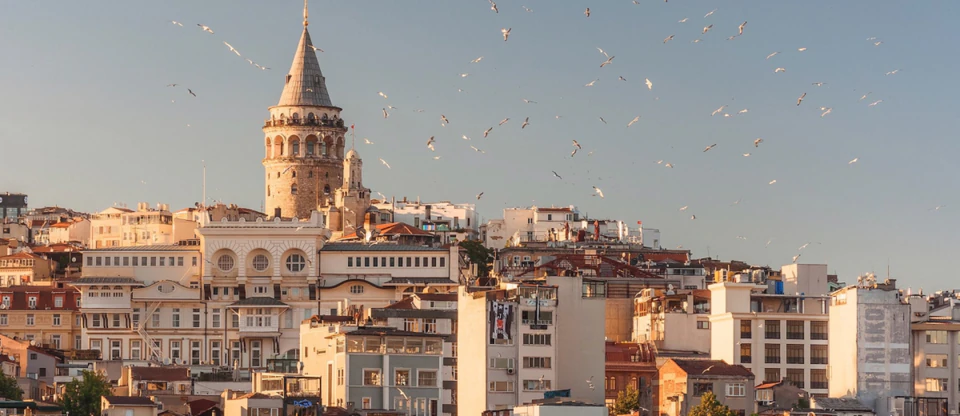
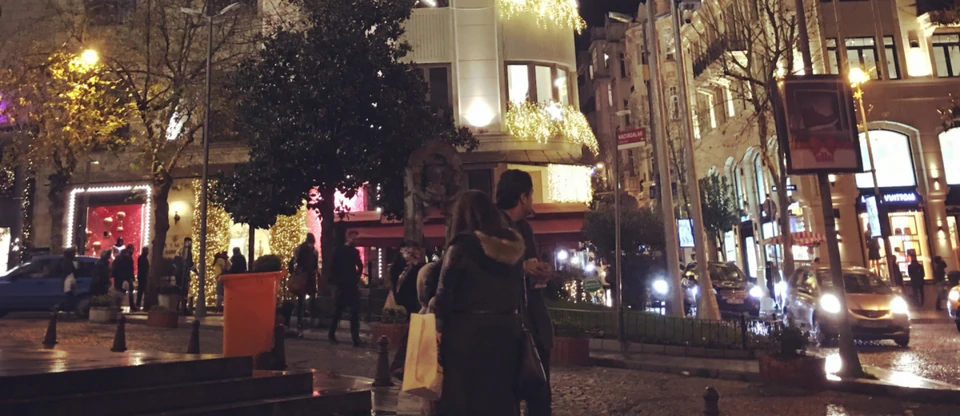
Pera district, also known as Galata, is one of the most vivid neighborhoods in all of Istanbul, and according to archaeologists, it served as the foundation for the city’s expansion back in the 13th century. The district was a hub for merchants from all over Europe, leading to the recreation of their own-micro countries within the district, which accounts for the harmoniously mixed cultural influences and their effect on the way of life in Pera today. Pera is known for being home to the breathtaking Galata Tower, Ottoman Hans, historical churches, bazaars, fine restaurants, art galleries, Pera Museum, and the famous Pera Palace.
The district’s distinctive character also influenced the art scene as a perfect blend of old and new. While Pera Museum is home to one of the most exciting Orientalist Painting Collections by European and Ottoman/Turkish artists, including the world-famous The Tortoise Trainer by Osman Hamdi Bey, the district is also home to many contemporary art galleries as it became a vocal point for artists around the country to display their paintings, sculptures, and photography in local art galleries.

Taste the Flavors of Kadikoy District
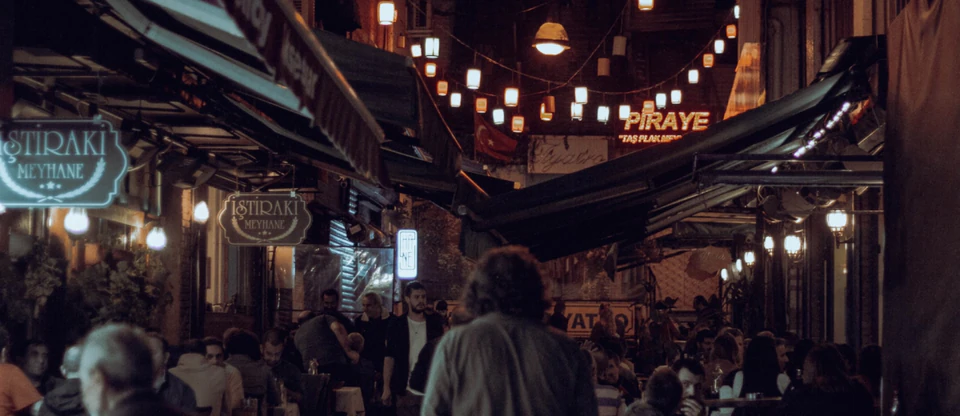
Kadikoy, known for its art galleries, bookshops, live music, bars, cafés, theaters, and shops, is considered the cultural hub and the meeting point of the Anatolian side of the Bosphorus in Istanbul. It is the perfect neighborhood to experience the modern Turkish way of life, blending a young student population, a residential suburb, and a lively nightlife scene at its quintessential Bar Street. Kadikoy is a true feast for the senses, attracting an artsy, bohemian, and young crowd with its buzzing markets, vibrant murals, and constant stream of music.
Kadikoy is also home to cozy and chic restaurants and cafés ranging from traditional Turkish cuisine to meyhanes, trendy cafés, waffle shops, and much more. Kadikoy is great for foodie tours where you can explore a sample from each of the neighborhood’s offerings while surrounded by a charming atmosphere. Explore the district’s Armenian, Greek, and Albanian heritage through the bevy of foods on offer in the neighborhood’s side streets.

Magical Dining Experiences Along the Bosphorus
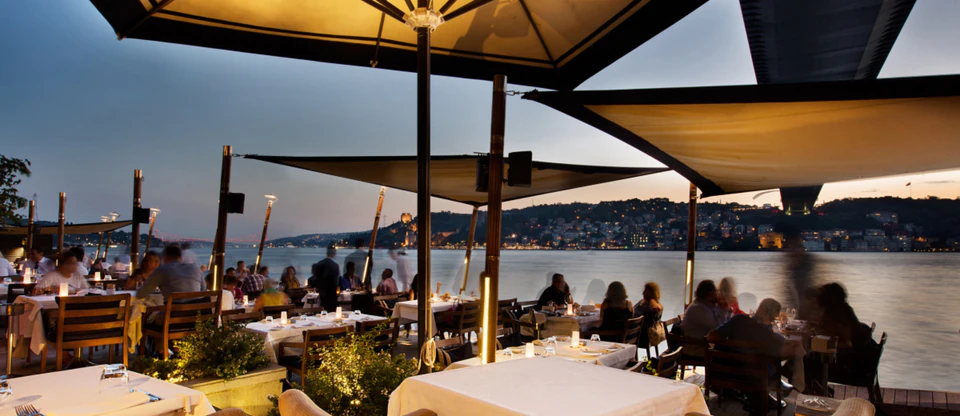
If you are seeking memorable experiences while in Istanbul, look no further than a magical dining experience along the Bosphorus Strait. As one of the most iconic waterways in the world, it is no surprise that Istanbul has a number of great restaurants along the Bosphorus. Sit right by the water where you can hear the sounds of the waves and create cherished memories during your time in Istanbul. Observe the city’s bustle from across the water during the day and at night, watch Istanbul transform before your eyes as you dine in beneath the city’s glow.
Flavors from both sides of this incredible country come together to form extensive menus serving contemporary Mediterranean cuisine, modern and traditional Turkish cuisine and a wide variety of international flavors from sushi bars to Italian. No matter your taste or dietary preferences, you are sure to find the meal of your dreams along the Bosphorus.

Wind Back the Clock in Balat District
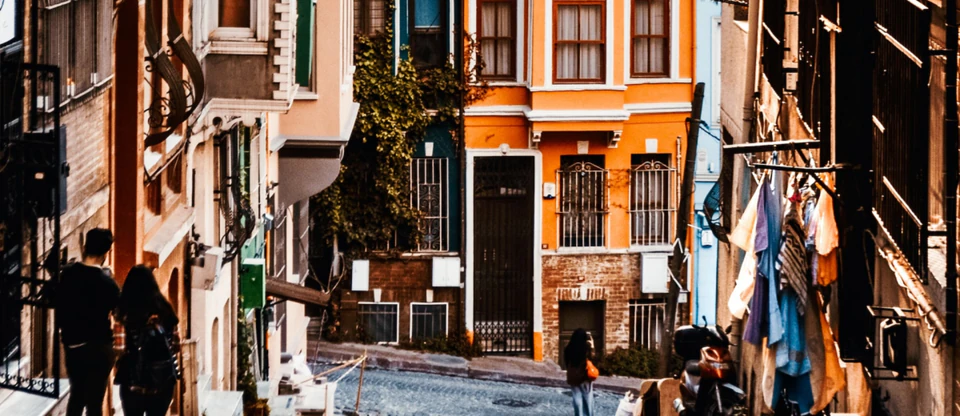
Escape from the action of Istanbul city center and head to the colorful, cozy district of Balat, one of the oldest neighborhoods in Istanbul. Set back past the shores of Eminönü alongside the Golden Horn, Balat is known as the Jewish Quarter of Istanbul and merges Greek, Latin, Jewish, and Turkish influences to create a unique culture all of its own. Balat’s Kiremit Street is home to colorful and historic houses that range in age from 50-200 years old.
Take a break from Balat’s extremely steep streets by ducking into cafés and restaurants. Some of the most beautiful religious structures include: Yanbol Synagogue, one of the two remaining ancient synagogues in Balat built by Bulgarian Sephardi Jews during the 18th century, St. Stephen church, a Bulgarian Orthodox church that is over 124 years old and reflects the neo-Byzantine style, and Chora Church and Museum, beloved for its outstanding late Byzantine mosaics and frescoes.

Princes’ Islands: A Peaceful Day Trip from Istanbul
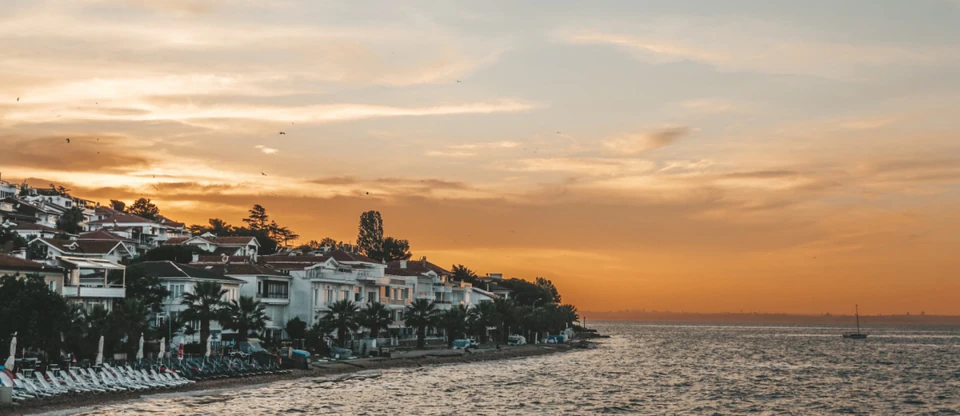
Just a ferry ride away from Istanbul lies a smattering of small islands that feel as far away from the capital city as you can be while still providing stunning views of the city skyline. The Princes’ Islands are an archipelago consisting of nine islands in the Sea of Marmara. Once serving as a place of exile during the Byzantine era, today the archipelago is a true ethnic and cultural mix, each island housing its own majority religious community. Of the nine islands, only four are open to the public: Büyükada, Burgazada, Heybeliada, and Kınalıada, and you can move between them by ferry.
Take an early ferry to beat the crowds and head to Büyükada to check out St. George Greek Orthodox church, its main attraction that offers stunning views of the archipelago and Istanbul. While Büyükada is the largest island, the other islands are still worth viewing to get a sense of their own charm. The main draw of each of the Princes’ Islands is the peaceful silence—all fuel-driven vehicles are banned and the main transportation means are bicycles, electric buses, and electric taxis. Walk through narrow streets surrounded by verdant pine forests or white Victorian-era cottages and revel in the escape from Istanbul city life.

Shop Til You Drop in Turkiye’s Fashion Capital
As the capital of fashion, culture, and design, Istanbul is undeniably the best shopping destination in all of Turkiye. Whether you’re seeking traditional wares or designer fashion, all will come away with that perfect, curated find after a day of shopping in Istanbul. Shopping lovers of all budgets can find something unique here. As a major metropolis, almost any international fashion brand and department store can be found housed within the shopping centers in Istanbul and you can shop designer fashions in Nisantasi Square.
Outdoor markets are supremely popular and the ideal destination for traditional handmade carpets, custom jewelry, antiques, and kilim workshops. Art lovers will be spoiled for choice of art galleries where they can come away with local masterpieces to add to their collections. While the Grand Bazaar is the most popular spot for tourists, each corner of the city has its own shopping appeal. You’ll find craft goods in the Sultanahmet neighborhood, an antique books market in Beyazit, and a treasure trove of finds at the Kadikoy market on the Asian side of the city.

Private Museums of Sadberk Hanim & Sakip Sabanci
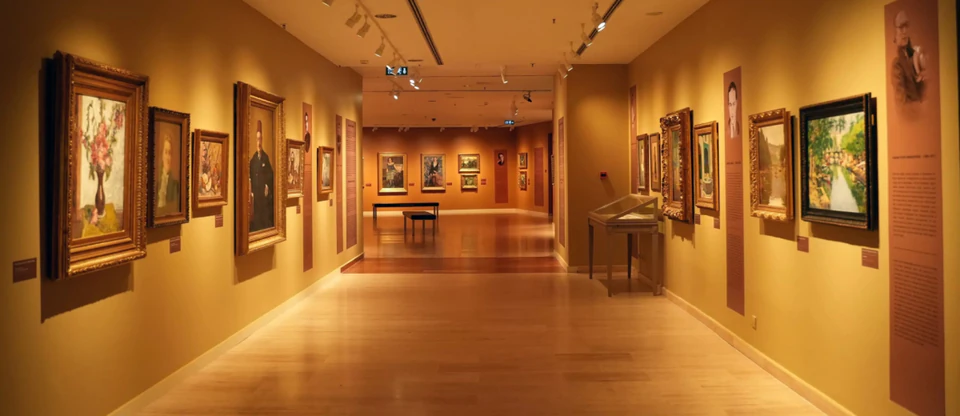
Stray from the main tourist trail and step into Sadberk Hanim Museum in Istanbul’s affluent Emirgan neighborhood on the Bosphorus shore. Operated by Sabanci University and located in a 1920s mansion, the fine arts museum boasts a collection of calligraphy and paintings that once belonged to the Sabanci family. Vehbi Koc, the most senior member of the Koc family, wanted to keep the memory of his wife, Sadberk Koc, alive and thus began the first private museum in Turkiye. Discover traditional clothes, embroideries, and silver and porcelain items from Sadberk Koc’s personal collection and other donated collections.
The museum opened with approximately 3000 works and has expanded to include more than 20,000 works exhibited today. Sakip Sabanci is another popular private museum situated in a historical mansion. The museum occasionally displays the most important painting collections in the world and once displayed the works of world-famous Spanish painter Salvador Dali. Though the museum only opened in 2002, it is one of most-visited museums in Istanbul and displays a well-rounded collection of paintings, decorative works and furniture, and a book arts and calligraphy collection that are the core of the collections.

Unwind During a Traditional Turkish Bath Experience
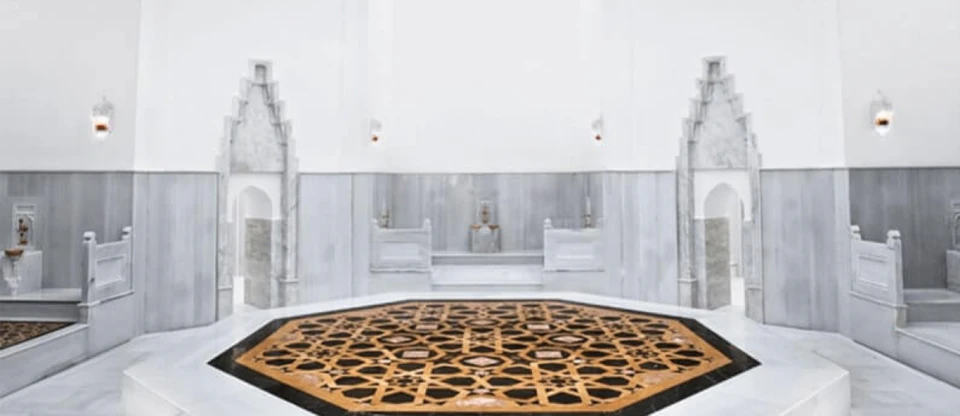
While historians don’t know exactly when people started to bathe indoors, we do know that the Ottoman Turks inherited the Roman bath concept—architecture and tradition—as it existed in Turkiye, adapting it to Turkish tastes and calling it “hammam.” Although modern Turks do most of their showering at home, the public hammam is still a significant part of the culture, as much a place about cleansing as it is about relaxing. Once you are ready, the bath attendant will take you into the warm section to relax and sweat next to a kurna, the small marble basin.
Next comes the scrubbing, which is done by the attendant. Once scrubbed, take your place on the warm marble slab called the gobektasi in the hot section, where your attendant is ready with a lacy, foam-filled cloth for a sudsy massage. Following this rejuvenating experience, most linger in the bath area and relax. The hot section of a historic Turkish bath is the most impressive part: It is usually designed so that rays of the light filter into this area from a high central dome, illuminating the steam and creating an otherworldly feeling.

Capture Istanbul with Photography Tours
Because of the contradictions, blending of cultures, and amount of variation within one city, Istanbul is undeniably excellent to photograph. Its bustling bazaars, towering mosques, historic neighborhoods, and vibrant residents are a treasure trove of moments to capture for any photography enthusiast. Our photography tour will take you on a journey through the streets of Istanbul to discover the stories hidden within this cultural capital.
The city provides a wealth of inspiration, with colors, sights, and movement coming together to create a veritable melting pot of people and cultures. Anyone interested in taking photos can participate, whether you are a beginner to photography who is seeking new skills or a seasoned professional looking for the secret spots within Istanbul’s picturesque neighborhoods. In addition to tours for budding photographers, we also offer the services of professional photographers who can take scrapbook or Instagram-worthy pictures.